
Portion Size Guide for Children
It’s important for us to eat a variety of foods from the four main food groups to ensure we get all the nutrients we need. However, it can be tricky to know how much is enough. That’s why we’ve created this blog, to help outline portion size guidance for adults and children and provide some helpful tips.
What influences our appetite?
It’s very normal for parents and practitioners to worry about how much children eat, as we want to make sure they get the nutrition they need to grow and develop well. However, it’s important to understand that children will eat as much as they need (which is sometimes less than we feel they need!), because they’re very good at regulating their appetite.
Their appetites will likely vary, sometimes considerably, from day- to- day and between meal-to- meal. Because of this, there are no set portion size recommendations for young children, just useful guides, which we provide below.
Remember that our appetites can be influenced by a range of factors, including our: age, gender, activity level, growth, puberty and illness.
How to tell when children are full
As we’ve explored, children are very good at regulating their appetite, so it’s important to trust that they’re the best judge of knowing how much they need to eat. Some of the signs below suggest that children are full:
- Turning away from food and closing their mouth
- Telling you they’re full
- Becoming frustrated or upset at meal/ snack times
- Becoming bored and playing with food.
If children show these signs, allow them to stop eating, even if they haven’t eaten everything on their plate, as it’s important not to teach them to over-ride their sense of fullness.
Here are a few key tips that can help at mealtimes:
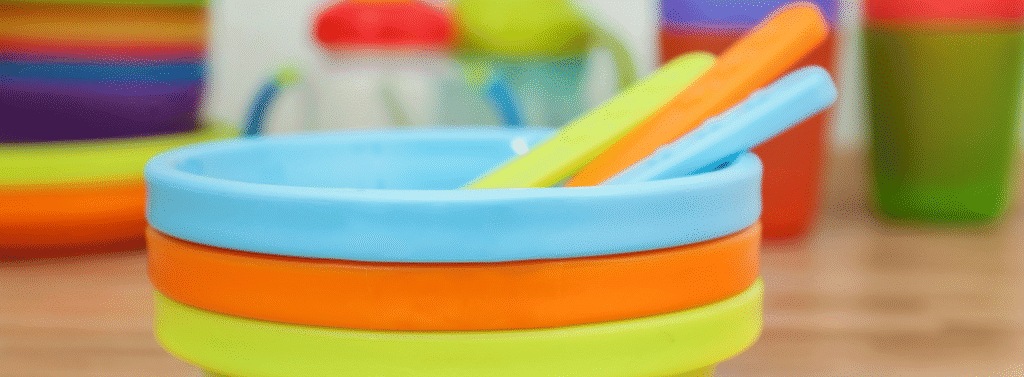
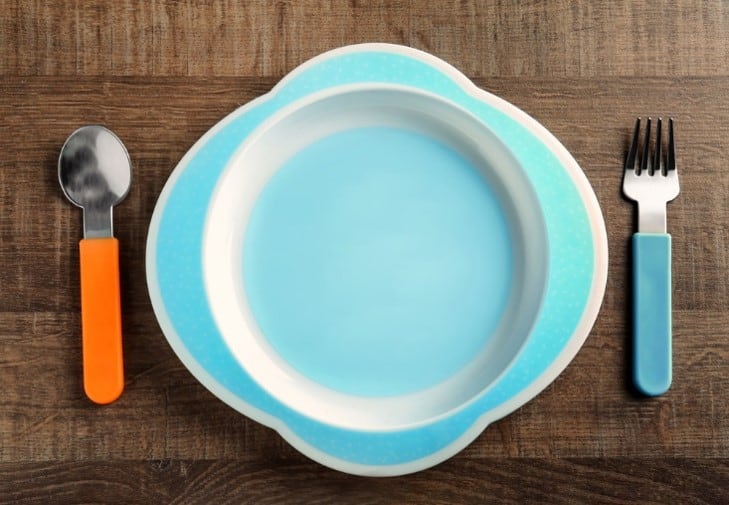
- Use child sized plates
- Avoid over filling children’s plates as this can be off- putting for them
- It’s best to offer small portions to begin with and allow second helpings if they’d like more
- Make sure that second helpings are still nutritionally balanced- meaning you include foods from each food group and not just the food group/s that children prefer
- Offering second helpings of the vegetables, salad or fruit is a good idea to ensure that children get plenty of vitamins and minerals, and not too much energy
- Gradually start to increase children’s portion sizes as they grow.

Portion Size Guide for Children
Organisations such as the Department for Education, and The First Steps Nutrition Trust, have developed helpful guidance providing simple ideas for the balance of different meal components that will meet the energy and nutrient needs of children aged 1-4 years.
They provide simple food-based recommendations for each food group, followed by photos showing approximate portion sizes for children aged 1-4 years.
- Department for Education: Portion sizes for children aged 5 and under (opens in new tab)
- Good Food Choices and Portion Sizes for 1-4 year olds (opens in new tab)
Note: for information on adult portion sizes, please see the British Heart Foundation website (opens in new tab)
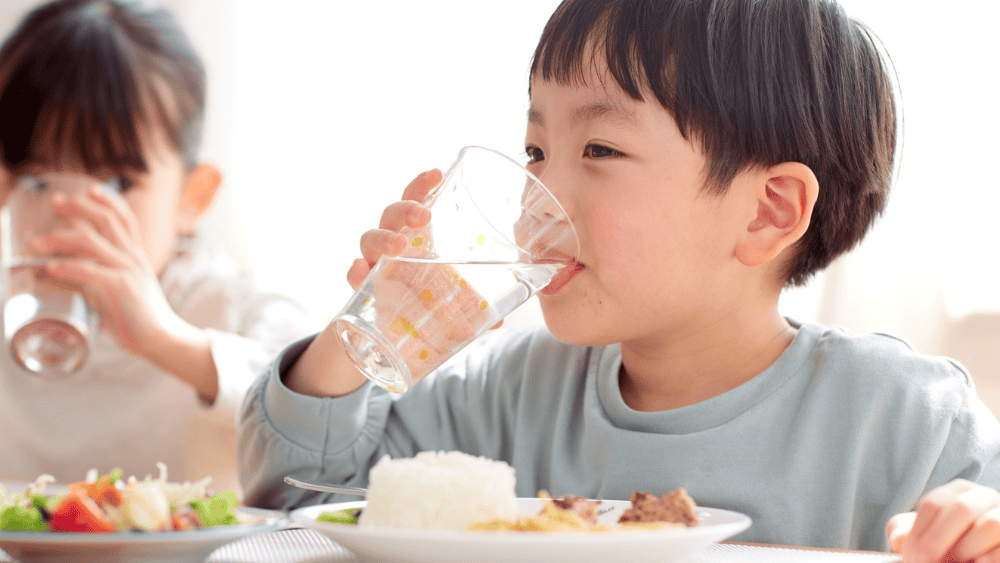
Let’s take a look at the portion size guide below:
Portion Size Guide for Starchy Carbohydrates
Children should be offered foods from this food group 3-4 times a- day. To do this, we should base their main meal around starchy foods and include some at snack times too.

Portion size guide for Fruit and Vegetables
Children should have at least 5 portions of fruit and vegetables each day. A child’s portion is roughly what fits into the palm of their hand.

Portion Size Guide for Dairy and Alternatives
Children should have around 3 servings of dairy and/ or dairy alternative foods a- day, to help us meet our calcium requirements.

Portion Size Guide for Protein Foods
To ensure children receive enough iron, they should be offered something from this food group at least twice a- day if they eat meat and fish, and 3 times a day if they are vegetarian.
Children should be offered 2 portions of fish a week, including a portion of oily fish such as salmon, mackerel, herring and sardines.

Puddings and Desserts
Children can be offered desserts/puddings made with cereals (such as rice or oats), milk and fruit.
Desserts which include fruit should aim to contain 40g of fresh fruit or 20g fried fruit per portion.

Snacks
Children should be offered 2-3 healthy snacks across the day.
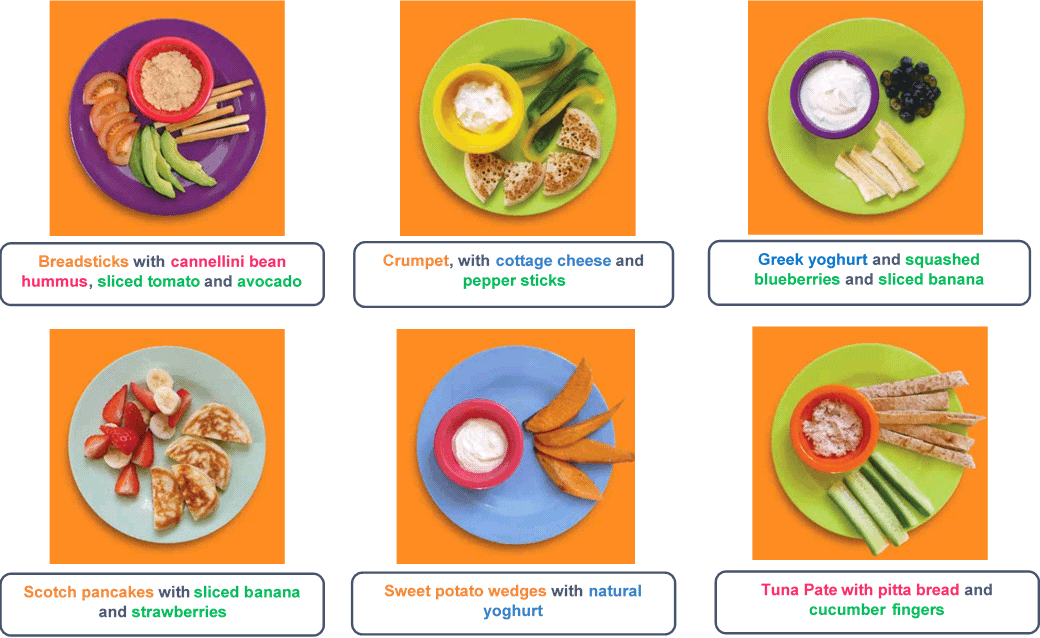
Examples of typical portion sizes:
- Breadsticks (15g), 2 crackers (15g), 2 oatcakes (16g)
- Vegetable sticks (40g), ½ large piece of fruit, such as half an apple or pear (40g), 2–3 small fruits e.g. apricots (40g),
- 1–2 tablespoons berries e.g. raspberries (40g)
- 2-3 tablespoons hummus (40g), 1 egg, meat and poultry 1 slice (30-40g)
- Milk drinks ½ cup (100ml–150ml), hard cheese: 1–2 tablespoons grated (15g), soft cheese: (20g), yoghurt 1–2 tablespoons (50–60g).
Note: If children are offered items such as crisps, sweets and chocolate on occasions (not suitable to offer in early years settings), the below are useful portion sizes to bare in mind:
- Crisps- 4-6 crisps
- Sweets- 2-4 sweets
- Chocolate- 2 – 4 squares or a funsize chocolate bar.
Useful Resources
First Steps Nutrition Trust
- Good food choices and portion sizes for 1-4 year olds (PDF, 3.6MB)
- Eating well recipe book Simple, cost-effective ideas for the whole family (PDF, 12.1MB)
- Eating well: snacks 1-4 year olds (PDF, 4.8MB)

Support for Families
Check out our free parent courses and webinars (opens in new tab) for more tips, information and advice.
If you’re an early years practitioner
For more practical tips and information for your early years setting, take a look at our online nutrition training (opens in new tab) designed by our team of expert early years nutritionists!
[…] While adult portions are inevitably bigger than kids meals, you don’t need these snacks in the same way that your kids do. As such, instead of pouring yourself a small bowl of even that healthy cereal, you would be better off just grabbing a handful to keep your kids company as they eat. Equally, if they’re having something like cheese and crackers, making sure to eat only one can fulfil your craving without putting your waistline, and your overall health, at risk. […]